
Choosing an integration platform is no longer just a technical decision. For enterprise organizations, it directly impacts digital transformation initiatives, SAP modernization programs, API strategies, governance models, and long-term operational costs.
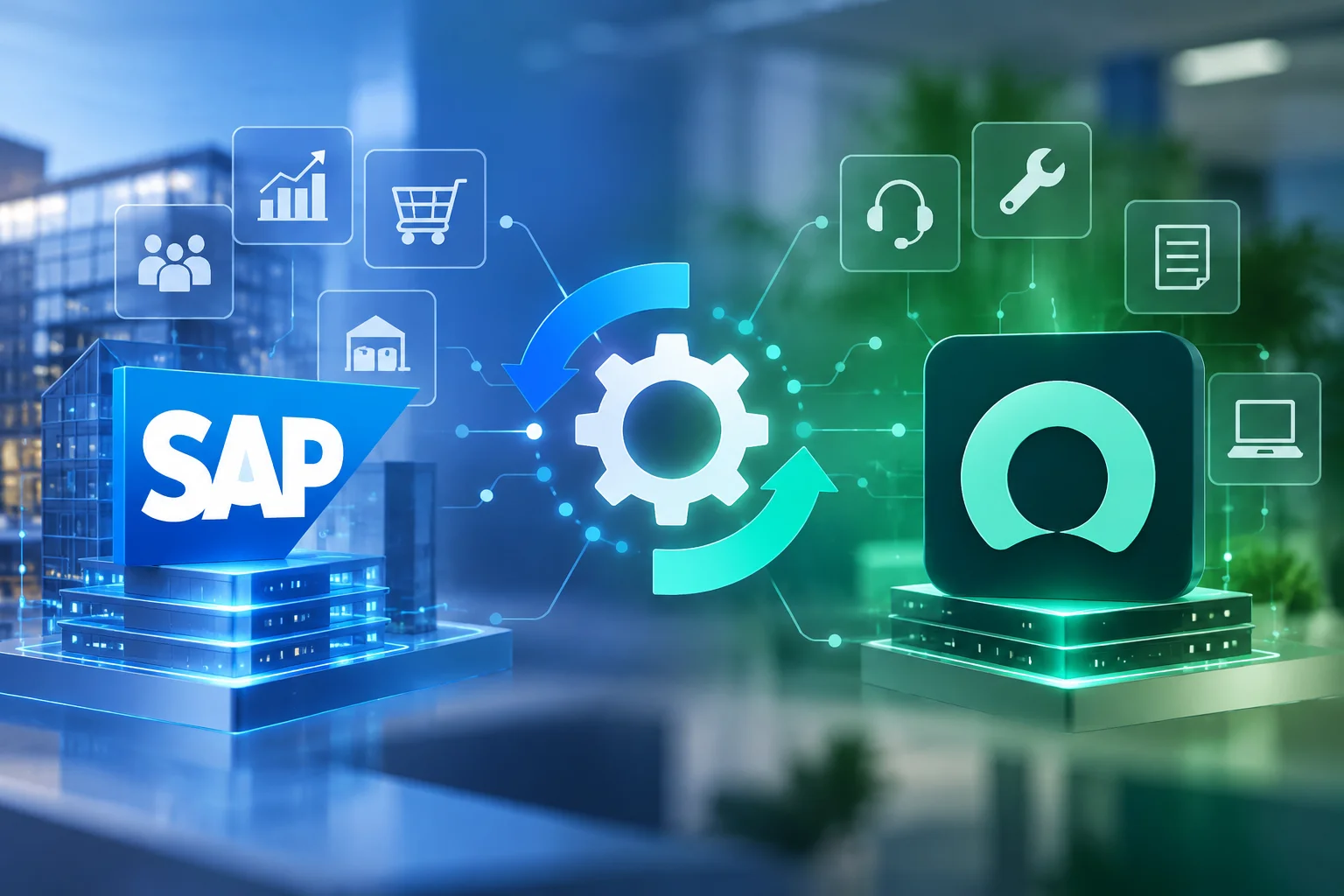
Two of the most commonly evaluated enterprise integration platforms are SAP Cloud Integration (SAP CPI) and MuleSoft Anypoint Platform. Both are powerful solutions used by global enterprises to connect applications, automate business processes, and manage data flows across complex IT environments. However, each platform is designed for different business priorities and technology landscapes.
If your organization is heavily invested in SAP technologies such as SAP S/4HANA, SAP SuccessFactors, SAP Ariba, SAP Concur, and SAP Business Technology Platform (BTP), SAP CPI is often the more strategic choice. If your environment consists of multiple platforms such as Salesforce, Workday, ServiceNow, Oracle, AWS, Azure, and custom applications, MuleSoft may provide greater flexibility.
What is SAP CPI?
SAP Cloud Integration (SAP CPI) is SAP’s cloud-based integration platform and a core component of SAP Integration Suite running on SAP BTP.
It enables organizations to connect SAP and non-SAP applications through a centralized integration layer. SAP CPI offers pre-built integration packages, native SAP adapters, monitoring capabilities, and governance features designed specifically for SAP environments.
SAP CPI is commonly used to integrate:
- SAP S/4HANA
- SAP ECC
- SAP SuccessFactors
- SAP Ariba
- SAP Concur
- Third-party applications
- APIs and databases
Organizations pursuing SAP modernization initiatives often choose SAP CPI because it aligns closely with SAP’s long-term roadmap and ecosystem.
What is MuleSoft?
MuleSoft, a Salesforce company, provides the Anypoint Platform, an enterprise integration solution built around API-led connectivity.
Unlike SAP CPI, MuleSoft is not centered around a specific ecosystem. Instead, it focuses on connecting applications, systems, and data across diverse technology environments.
MuleSoft is commonly used to integrate:
- Salesforce
- SAP systems
- Workday
- ServiceNow
- AWS
- Azure
- Oracle applications
- Legacy systems
- Custom applications
Its biggest strength is flexibility, making it popular among organizations operating highly diverse enterprise landscapes.
SAP CPI vs MuleSoft: Key Differences
The biggest difference between the two platforms lies in their primary focus.
SAP CPI is designed to simplify integration across SAP applications and services. It provides native SAP connectivity, pre-built content, and seamless alignment with SAP BTP and SAP S/4HANA.
MuleSoft focuses on API-led integration and cross-platform connectivity. It is designed for organizations that need to integrate multiple technologies, cloud providers, and business applications through reusable APIs.
SAP CPI vs MuleSoft Feature Comparison
SAP Integration
When it comes to SAP integration, SAP CPI has a clear advantage. Native adapters, pre-built integration packages, and SAP-certified connectivity make implementation faster and less complex.
SAP S/4HANA Connectivity
For SAP S/4HANA migration and transformation projects, SAP CPI is often the preferred option due to its native support and alignment with SAP’s strategic roadmap.
API Management
MuleSoft is widely recognized for its strong API management capabilities. It provides API lifecycle management, governance controls, developer portals, and analytics that support API-first strategies.
Multi-Cloud Support
MuleSoft offers stronger support for organizations operating across multiple cloud providers and technology platforms. Its architecture is designed for flexibility and interoperability.
Governance and Monitoring
Both SAP CPI and MuleSoft provide enterprise-grade governance, monitoring, security, and compliance capabilities. The choice often depends on the complexity of the organization’s integration requirements.
Architecture Approach
SAP CPI works best when SAP applications form the center of the enterprise landscape. Organizations running SAP S/4HANA, SuccessFactors, Ariba, and other SAP solutions can benefit from a simplified integration architecture and lower implementation complexity.
MuleSoft follows an API-led architecture model. This approach enables organizations to create reusable APIs that connect applications and services across different platforms. It is particularly effective for enterprises with large and diverse technology ecosystems.
Total Cost of Ownership
One of the biggest mistakes organizations make is comparing only licensing costs.
The true cost of an integration platform includes:
- Licensing
- Development
- Support
- Monitoring
- Governance
- Training
- Talent acquisition
- Long-term maintenance
A platform that appears less expensive initially may become more costly over time due to implementation complexity or resource shortages.
Organizations should evaluate total cost of ownership over several years rather than focusing solely on upfront expenses.
Talent Availability and Hiring Challenges
Technology decisions should always consider workforce availability.
SAP CPI Talent Market
Advantages:
- Large SAP ecosystem
- Strong consulting partner network
- Easier transition for SAP professionals
Challenges:
- Experienced CPI architects remain limited
- Senior specialists can be expensive
MuleSoft Talent Market
Advantages:
- Strong API community
- Broad enterprise adoption
Challenges:
- High demand for experienced architects
- Premium consulting rates
- Longer onboarding cycles
For many SAP-centric organizations, finding professionals who can transition into SAP CPI roles is often easier than hiring experienced MuleSoft specialists.
SAP CPI vs MuleSoft for SAP S/4HANA Programs
Organizations migrating from SAP ECC to SAP S/4HANA typically benefit from SAP CPI because it provides:
- Native SAP integration content
- SAP-supported architecture
- Faster implementation
- Simplified governance
- Better SAP ecosystem alignment
This is one reason many SAP S/4HANA transformation programs include SAP CPI as a strategic integration platform.
Which Platform Should You Choose?
Choose SAP CPI if:
- SAP is your primary ERP platform
- SAP S/4HANA is a strategic investment
- SAP BTP adoption is planned
- Most enterprise applications are SAP-based
- SAP roadmap alignment is important
Choose MuleSoft if:
- Salesforce is central to your operations
- API-first architecture is a business priority
- Multiple technology platforms exist
- Integration flexibility is critical
- Extensive API management capabilities are required
There is no universal winner. The right choice depends on your business goals, technology landscape, governance requirements, and long-term architecture strategy.
FAQ
Most frequent questions and answers
Not necessarily. SAP CPI is generally stronger for SAP-centric environments, while MuleSoft excels in diverse multi-platform ecosystems.
SAP CPI is typically the preferred option because of its native SAP connectivity and alignment with SAP’s roadmap.
Costs vary based on licensing models, implementation scope, governance requirements, and resource availability.
SAP CPI is generally easier for SAP professionals, while MuleSoft requires a broader API-led integration mindset.
Conclusion
SAP CPI and MuleSoft are both leading enterprise integration platforms, but they serve different strategic needs. SAP CPI is often the strongest choice for organizations investing in SAP S/4HANA, SAP BTP, and broader SAP modernization initiatives. MuleSoft is typically better suited for enterprises operating diverse technology landscapes and pursuing API-led transformation strategies.
Before making a decision, organizations should evaluate their existing systems, future architecture plans, governance requirements, available talent, and long-term business objectives. Selecting the right integration platform today can significantly impact scalability, operational efficiency, and digital transformation success in the years ahead.